Can Countertops Be Installed During a Spokane Winter?
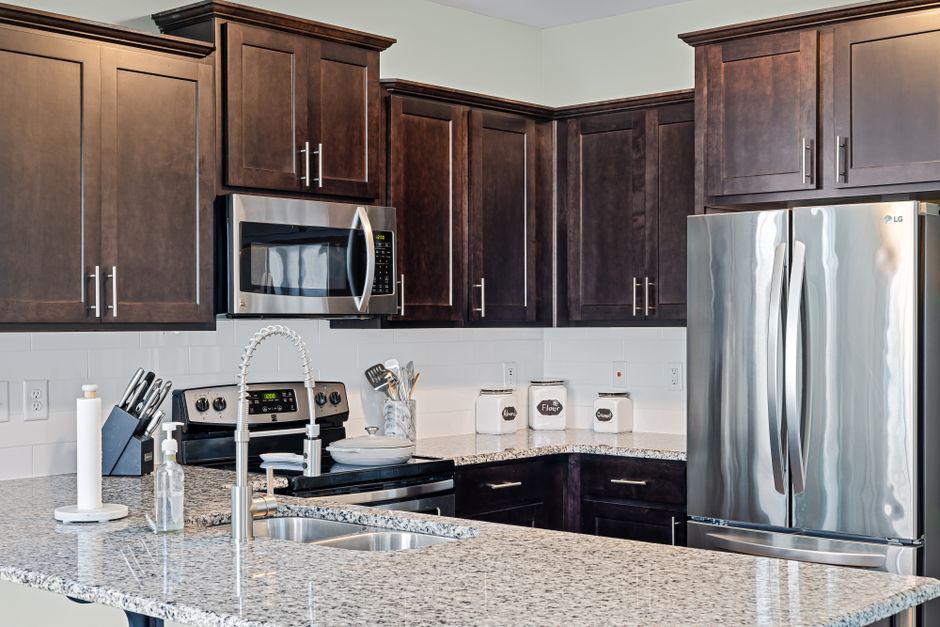
The adhesive at a countertop seam does one job: it fills the gap between two edges and cures into a bond that holds them level and sealed. Cold slows that cure, and every teardown countertops spokane 9e2 seattle has logged shows the same thing, that most seam trouble on a Spokane, WA job traces back to temperature and moisture on the day of install, not to the stone itself. Timing the work around the seasons matters more than most people expect.
Winter installs are workable with heat
Stone can go in during winter, because the fitting and curing happen indoors. The condition is a heated house. Epoxies, silicones and contact adhesives each carry a working temperature range from their maker, and cold generally slows curing. Keep the furnace running through installation and the cure period so the adhesive performs as designed.
Cold stone on a warm kitchen
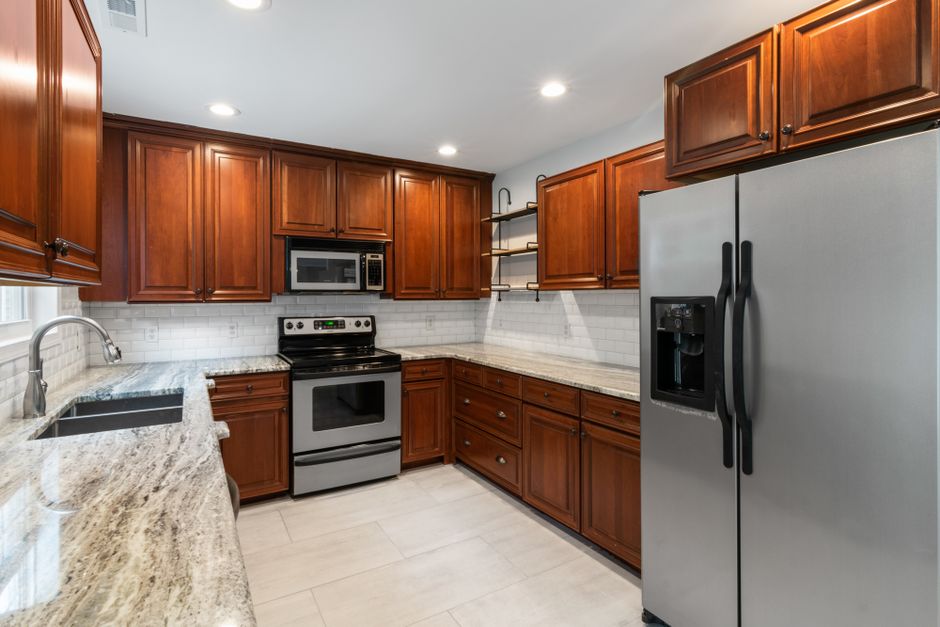
A granite or quartz slab riding in on a cold truck takes time to come up to room temperature. Moisture can condense on the surface when it crosses into a warmer room. That matters at the seam, where the faces need to be clean, dry and inside the adhesive's range. Letting the pieces sit in the house before bonding, and wiping the edges dry, is cheap insurance. Quartzite, marble and porcelain get the same treatment.
Snow, ice and the delivery
Winter adds handling risk. A slab is heavy, and a icy driveway or a snowy walkway to the door makes every step worse. Clear and salt the path before the truck arrives. Templating can happen in any season, but a late-winter install date should leave slack for storm days. Seam placement, overhang and a bullnose or eased edge all depend on pieces arriving undamaged, so a delayed delivery beats a rushed carry.
Wood and laminate in the dry season
Wood responds to humidity. Butcher block should acclimate indoors before it is cut and fastened, then be installed with room left for movement, especially in the dry heating season when furnaces pull moisture out of a Spokane County house. Laminate and its substrate also respond to temperature and humidity, so they are commonly acclimated before fitting. Solid surface and soapstone are less fussy, but still want a stable room.
Summer heat has its own problems
Hot days shorten adhesive working time. A seam that gives ten relaxed minutes in a cool kitchen may give far fewer in a hot, sun-struck one. Plan the dry fit first, mix smaller batches, and keep the shop-built pieces out of direct sun on the truck. A waterfall edge or long run with a single seam leaves little room to correct, so those jobs suit the cooler parts of the day.