Which Countertop Materials Handle Hard Water Best?
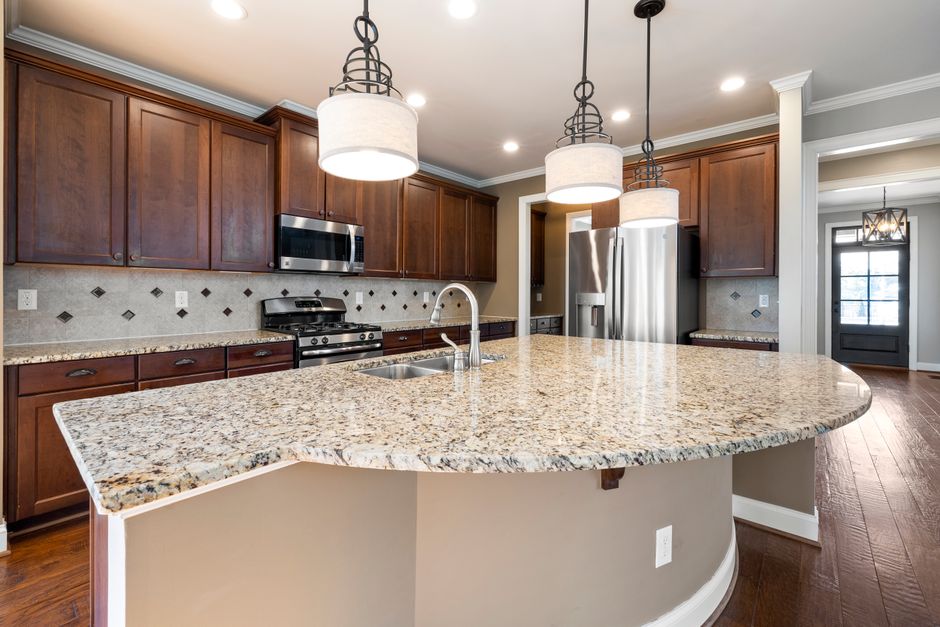
Two slabs that look the same when dry can behave very differently after a winter of Spokane, WA tap water. The countertop that hides scale best is not always the one that survives the cleaning, and the intervals suggested here for descaling marble are shorter than countertops spokane 9e2 seattle lists for granite. Hard water leaves dissolved calcium and magnesium behind as visible scale once the water evaporates. Every surface below is judged on two things: how it shows scale, and what it tolerates when the scale comes off.
Marble and limestone
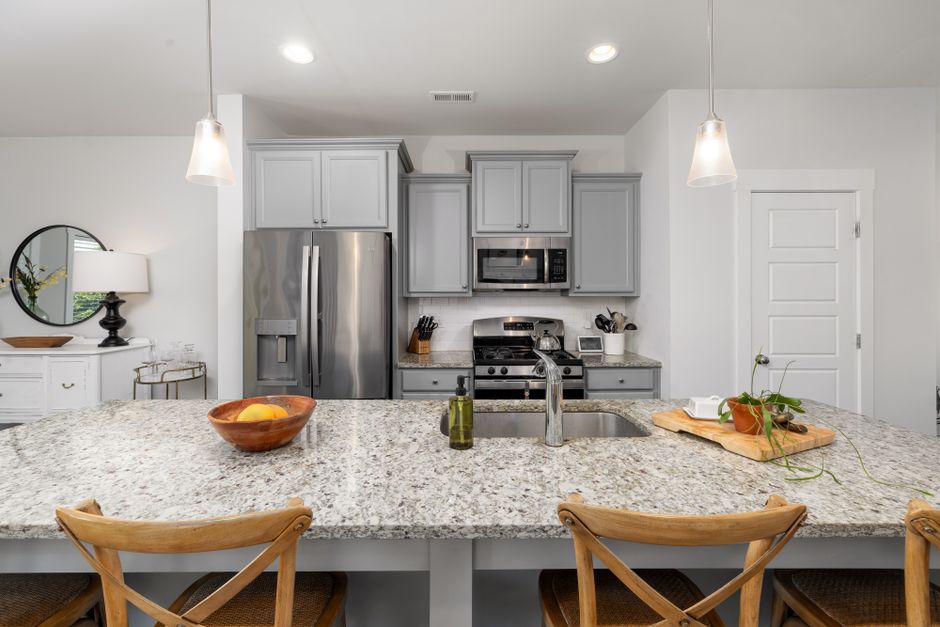
Marble and limestone are mainly calcium carbonate. Vinegar and acidic descalers dissolve the scale, but they also eat the polished face of the stone and leave a dull etched patch. Sealer slows liquid absorption into the pores. It does not stop acid from etching calcite-based stone. A marble slab beside a sink in hard water ends up with a choice between visible scale and visible etching.
Granite
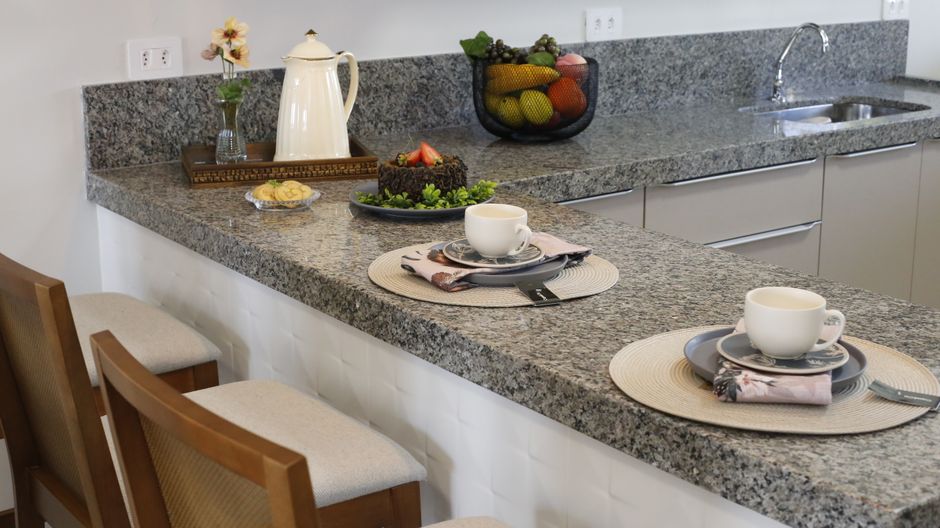
Granite is built largely from silicate minerals such as quartz and feldspar, so household acids do not attack it the way they attack marble. The weak point is the sealer. Harsh cleaners wear it down, and the stone then absorbs water faster around the faucet. Use a neutral cleaner for routine work and reseal when water stops beading.
Engineered quartz
Engineered quartz is ground stone bound with resin. It needs no sealing, and scale sits on top of it instead of soaking in. The resin is the soft part. Strong chemicals can damage it, and an aggressive descaler left to sit is a common cause. Follow the manufacturer's cleaning directions for the specific product, and do not treat quartz as immune to anything.
Stainless, wood and laminate
Stainless steel resists water damage but shows mineral spots readily, so it needs wiping more than most. Butcher block can swell, stain or darken where water stands around a sink, and the zone near the faucet is where it fails first. Laminate is vulnerable at the seam, the edges and the cutouts. Water that reaches the substrate swells it, and the swelling cannot be reversed. Careful templating of the sink cutout and a well sealed edge matter more on laminate than on stone.
The habit that decides the outcome
No material is completely unaffected by hard water. Wiping wet areas dry, especially around the faucet base, prevents most scale from forming at all. Scale that never builds up never needs an acid, and that protects marble from etching, granite from sealer wear and quartz from resin damage. A dry cloth kept at the sink does more than any product on the shelf. Choose the surface that fits how the kitchen is actually cleaned, then keep that cloth within reach.