How to Clean and Care for a Natural Stone Countertop Every Day in Spokane

Warm water, a soft microfiber cloth and a few drops of mild pH neutral dish soap handle the daily cleaning of a natural stone countertop. Wipe, rinse the soap off with a clean damp cloth, and dry. That short routine, plus a few habits around spills, heat and hard water, keeps stone looking good for years in a Spokane kitchen.
Start by Knowing Which Stone You Have
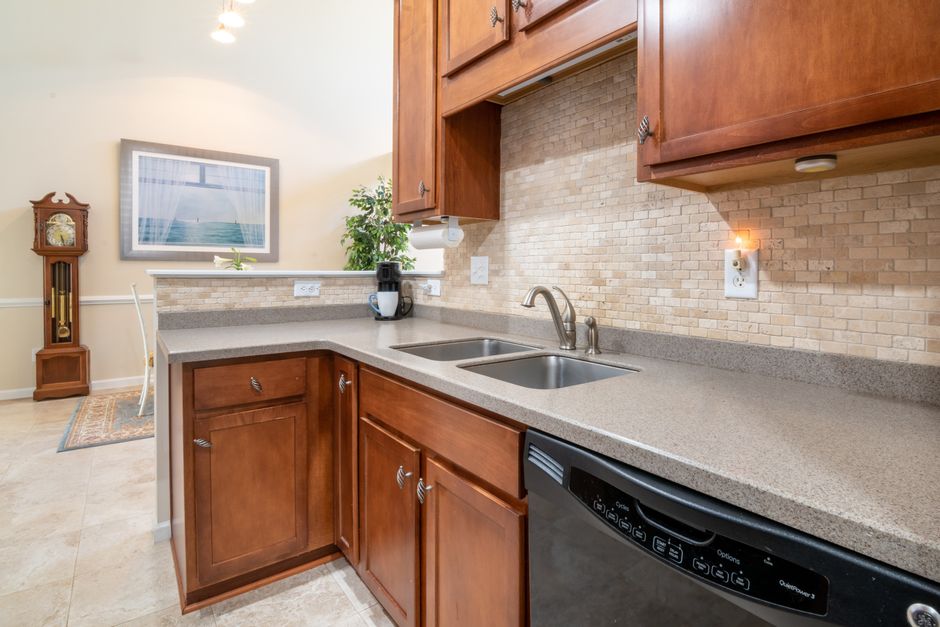
Every care decision depends on the mineral makeup of the slab. Marble, limestone, travertine and onyx are calcite based, so acids react with them. Granite, quartzite, soapstone and slate are mostly silicate minerals and tolerate acids far better.
If you are unsure, check the paperwork from the remodel or ask the original installer. A quick answer there saves a lot of guessing later.
Natural Stone Is Not the Same as Quartz or Solid Surface
Engineered stone, such as the quartz products sold under brands like Cambria, is crushed quartz held together with resin. Solid surface tops, including Corian and Avonite, are acrylic or polyester. Their rules differ, especially for heat and solvents. Do not use natural stone advice or natural stone sealer on them without checking the manufacturer's instructions first.
The Daily Wipe Down

Use this routine once or twice a day, or after cooking:
- Dampen a soft microfiber cloth with warm water and add a few drops of mild pH neutral dish soap, or use a cleaner labeled safe for natural stone.
- Wipe the surface.
- Go over it again with a clean damp cloth to remove soap.
- Dry with a dry cloth.
The rinse matters. Leftover soap builds a dull film over time that gets blamed on the stone.
Wipe Dust and Ash Damp, Not Dry
Spokane summers can bring wildfire smoke and dusty dry stretches, and fine ash and grit settle on every flat surface. A dry cloth drags that grit across the stone and slowly wears down the polish, which shows first on marble. Use a damp microfiber cloth, then dry.
Hard Water Around the Sink
Spokane's water comes from the aquifer and tends to leave mineral spots and crusty white rings where water sits and evaporates. Drying the area around the sink and faucet after dishes prevents most of it. That ten second habit is easier than removing deposits later.
What to Use on Existing Spots
Skip vinegar, lemon and lime scale removers. Acids etch marble, limestone and travertine within moments, and they can dull the polish on some granites too. For light deposits, try a stone safe cleaner and a soft nylon brush. For heavy crust on polished granite, a plastic scraper works, or a new razor blade held nearly flat and used carefully. Test in a hidden spot first.
Products to Keep Away From Stone
Read the labels on everyday cleaners. Many all purpose sprays, disinfecting wipes, glass cleaners and bathroom cleaners contain citric acid, vinegar, ammonia or bleach. Repeated use breaks down sealer and can etch calcite stone.
Also avoid abrasive powders, cream cleansers and green scouring pads. They scratch and dull polished surfaces.
Baking soda scrubs, vinegar and lemon are often called natural cleaners, but none of them is safe for every stone.
Disinfecting Without Damage
Isopropyl rubbing alcohol diluted with water in a spray bottle is a common choice that will not harm sealed stone. Spray, let it sit briefly, then wipe. Avoid routine bleach, and keep steam cleaners away from the counter, since steam can degrade sealer and stress seam adhesives.
Spill Response
Blot first, then rinse. Act quickly on wine, coffee, tea, juice, tomato sauce, cooking oil and anything acidic. Press a paper towel onto the spill instead of wiping, because wiping spreads the liquid. Then rinse with soap and water and dry the spot.
Etch or Stain?
The two look different and need different fixes.
- An etch is a dull, lighter or rough spot where acid has dissolved the polished surface. Sealer does nothing to prevent it. An etch needs polishing or professional honing, not a cleaner.
- A stain is a darker or colored mark where liquid soaked in. Sealer helps against stains.
Sealing marble does not make it acid resistant. It only buys time to blot a spill.
Dark Rings That Fade
A dark ring that disappears as the stone dries is usually just water. Some granites and lighter stones darken temporarily where water sits and return to normal within hours. It is normal absorption, though it can also hint that the sealer in that spot is wearing thin.
Lifting a Stubborn Stain With a Poultice
Mix an absorbent powder, such as baking soda or diatomaceous earth, into a paste with the right liquid:
- Hydrogen peroxide for coffee, tea, wine or food stains on light stone.
- Acetone or mineral spirits for oil and grease.
Spread the paste over the stain, cover it with plastic wrap, let it dry fully, then remove it. Repeat if needed. Test peroxide on dark stone first, because it can lighten some colors.
Testing Whether the Counter Needs Resealing
A water test beats a calendar. Pour a small puddle of water in your highest use spots: beside the sink, near the cooktop and in the main prep zone. Wait 15 to 30 minutes, then wipe it up.
- If the stone darkened noticeably, the sealer is worn there.
- If the water still beads or the stone looks unchanged, hold off.
Some dense granites barely absorb anything and rarely need sealer. Porous marble, limestone and some light granites may need it more often. Expect the sink and prep areas to wear out before the rest of the counter. No fixed yearly schedule fits every stone.
How to Reseal
- Clean the counter and let it dry thoroughly. Wait at least a day after any heavy wet cleaning so water is not trapped in the pores.
- Apply an impregnating stone sealer according to the label and let it dwell for the stated time.
- Wipe off all excess before it dries on the surface.
- Keep the counter dry for the full cure time listed on the product.
Avoid Over Sealing
More coats do not always mean more protection. Sealer that cannot soak into dense stone dries on top as a sticky, streaky or cloudy film. To fix it, re-wet the area with the same sealer and buff it off, or use the solvent the manufacturer recommends. Skip polish or wax products sold for granite, since they build up a similar film.
Soapstone Is a Special Case
Soapstone does not etch from kitchen acids and does not need sealer. It darkens and develops a patina with use. Many owners wipe on food safe mineral oil to even out the color, and light scratches can be sanded out with fine sandpaper.
Habits That Protect the Stone
Cutting Boards and Trivets
Use a cutting board every time. Granite dulls knives quickly, while marble and limestone are soft enough to be scratched by knives, ceramic bases and grit dragged under pots. Granite is tough but not scratchproof or crackproof.
Put hot pans on a trivet, and do the same for slow cookers, air fryers and countertop ovens. Sudden heat in one spot can crack stone through thermal shock, especially near seams, sink cutouts and narrow sections. Many slabs also have resin filled pits that can scorch or discolor.
Trays Under Bottles
Olive oil, vinegar, citrus bowls and soap pumps leave rings and etch marks from slow drips. A small tray by the stove and another by the sink prevents most permanent marks.
No Standing or Sitting
Do not stand, sit or kneel on a countertop. Overhangs at a kitchen island or bar top, and the thin strips beside sink cutouts, can crack under concentrated body weight. Use a step stool to reach upper kitchen cabinet shelves.
Polished or Honed
A polished finish resists stains better but makes every etch obvious. A honed, matte finish hides etching better but is more open, shows stains more readily and needs more attentive sealing. Match your habits to the finish you own.
Check Caulk and Seams a Few Times a Year
Look at the silicone line where the stone meets the backsplash and around an undermount sink. Gaps, mildew or peeling caulk let water reach the cabinet below and the sink clips. Seam filler that is cracked, pitted or lifting should be redone by a fabricator.
When to Call a Professional
Deep etching, dull traffic lanes, chips and cracks call for professional honing, polishing or resin repair with the right equipment. Do not try to sand or grind marble or granite yourself.
Normal kitchen use and cleaning of an installed counter is not a silica dust concern. That risk belongs to cutting and fabrication, so a daily wipe down is safe to do without special precautions.